
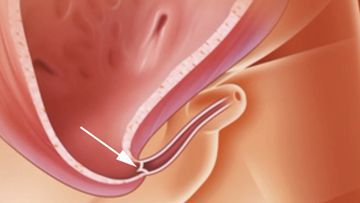
Posterior Urethral Valve (PUV) is a congenital condition seen only in boys, where abnormal tissue folds develop inside the urethra (the tube that carries urine from the bladder out of the body). These extra tissue flaps block or restrict the normal flow of urine, causing increased pressure in the urinary system.
PUV is a serious condition that can affect the bladder and kidneys if not diagnosed and treated early. Timely medical intervention is essential to protect kidney function.
PUV develops during fetal growth when the urethra does not form properly. The exact cause is not fully understood, but it is present from birth and is not caused by anything parents did during pregnancy.
The obstruction can lead to:
Enlarged bladder
Swelling of ureters
Hydronephrosis (swelling of kidneys)
Reduced kidney function
In many cases, PUV is detected during prenatal ultrasound due to kidney swelling. After birth, symptoms may include:
Poor or weak urine stream
Straining while passing urine
Difficulty urinating
Recurrent urinary tract infections
Abdominal swelling
Poor weight gain
Reduced urine output in severe cases
If untreated, it can lead to kidney damage.
Evaluation typically includes:
Ultrasound of kidneys and bladder
Voiding cystourethrogram (VCUG) to confirm obstruction
Blood tests to assess kidney function
Urine tests to check for infection
Early and accurate diagnosis helps prevent long-term complications.
Treatment aims to relieve the obstruction and protect kidney function.
Stabilization of the baby
Catheter insertion to drain urine
Treatment of infections if present
The standard treatment is endoscopic valve ablation, where:
A small instrument is passed through the urethra
The obstructing valve tissue is carefully removed
Normal urine flow is restored
This procedure is performed under general anesthesia in a specialized pediatric surgical setting.
In severe cases, temporary diversion procedures may be needed before definitive treatment.
Your child will undergo detailed evaluation to assess kidney function and overall health.
The surgery is performed using minimally invasive techniques without external incisions.
Regular follow-up is essential. Children may require long-term monitoring of bladder and kidney function. Some may need medications or additional support for bladder control.
PUV is a potentially serious condition, but with early detection and proper management, many children can achieve good outcomes. Delayed treatment may lead to long-term kidney damage.
Our pediatric urology team provides expert diagnosis and advanced management of posterior urethral valve. With specialized care, modern equipment, and close follow-up, we focus on preserving kidney function and supporting healthy growth and development for your child.