
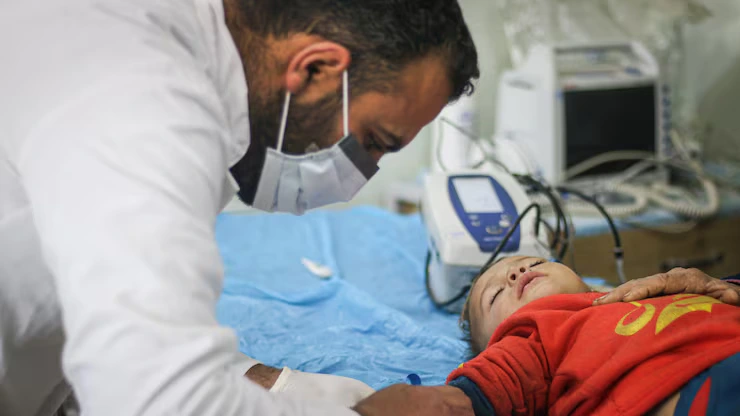
Appendicitis is a common surgical emergency in children and adolescents. It occurs when the appendix — a small, finger-shaped pouch attached to the large intestine — becomes inflamed and infected. If not treated promptly, the appendix can rupture, leading to serious complications. Early diagnosis and timely surgical care are essential for a safe recovery.
Appendicitis usually develops when the opening of the appendix becomes blocked. This blockage may be caused by:
Hard stool (fecalith)
Swollen lymph tissue
Infection
Rarely, parasites or foreign material
Once blocked, bacteria multiply inside the appendix, causing swelling, pain, and infection.
Symptoms of appendicitis may vary depending on the child’s age. Common signs include:
Pain starting around the belly button and shifting to the lower right side of the abdomen
Loss of appetite
Nausea or vomiting
Fever
Abdominal swelling
Pain that worsens with movement, coughing, or walking
Younger children may have less typical symptoms, making early evaluation important.
Diagnosis is based on:
Detailed clinical examination
Blood tests to check for infection
Ultrasound or other imaging tests, if required
Prompt evaluation helps prevent rupture and complications.
Surgical removal of the appendix (appendectomy) is the standard treatment. The procedure can be performed using:
Laparoscopic (minimally invasive) surgery – Small incisions, less pain, faster recovery
Open surgery – Used in certain complicated cases
If the appendix has already ruptured, additional treatment such as antibiotics and a longer hospital stay may be necessary.
The child will undergo necessary investigations and receive intravenous fluids and antibiotics. Parents will be informed about the procedure and recovery process.
The surgery is performed under general anesthesia in a fully equipped pediatric surgical facility following strict safety standards.
Most children recover quickly and can resume normal activities within 1–2 weeks, depending on the severity of the condition. Pain is usually mild and managed effectively with medication. Follow-up visits ensure proper healing.
Consult a doctor urgently if your child experiences:
Persistent abdominal pain, especially in the lower right side
Fever with abdominal pain
Repeated vomiting
Sudden worsening of pain
Early treatment greatly reduces the risk of complications.
Our pediatric surgical team provides prompt diagnosis, safe surgical treatment, and compassionate care for children with appendicitis. With advanced techniques and a child-friendly approach, we ensure effective treatment and a smooth recovery while keeping parents informed and reassured throughout the process.